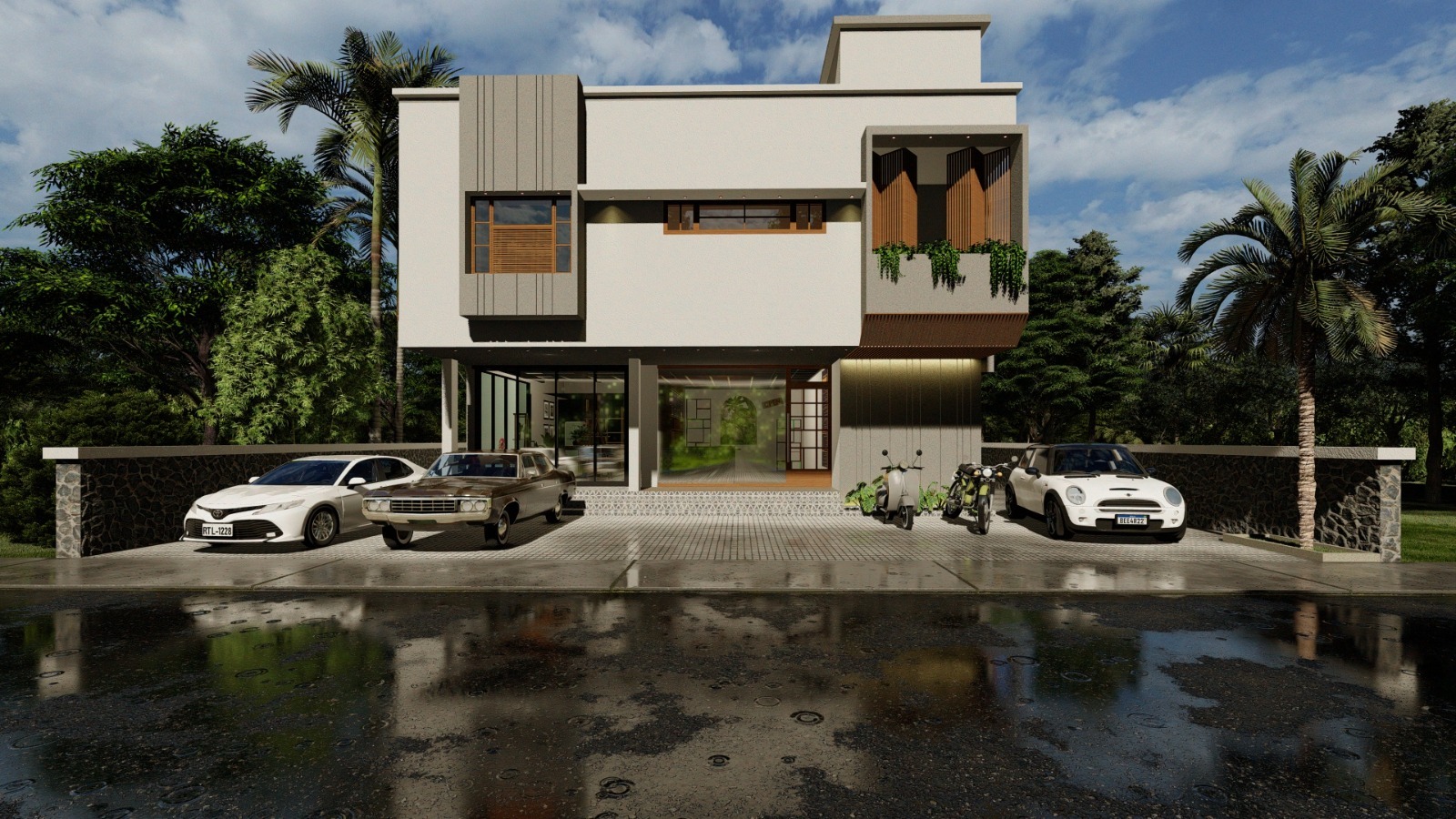
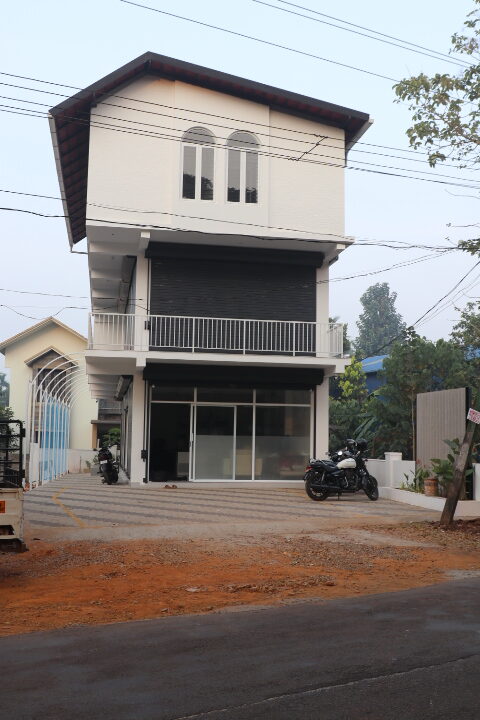
Volti Corporate Office

Location: Kolathur

Area:

Floors: 3

Architectural Overview

The corporate office exhibits several architectural features common in modern commercial structure.

Features

  • Multi-level Structure: The building rises multiple stories, indicating a design to maximize usable space, a common characteristic for commercial properties.
  • Large Windows & Glass Doors: The ground floor features prominent glass doors and extensive window areas, suggesting a focus on natural light and a welcoming, open entrance for a commercial establishment.
  • Upper-Level Windows: The top floor incorporates arched windows, adding a distinct decorative element that could be a nod to traditional aesthetics or a contemporary design choice.
  • Balcony with Railings: A balcony with metal railings on the first floor provides an outdoor space and breaks the verticality of the facade.
  • Functional Design: The clear distinction between the ground floor's open entry (potentially for retail or reception) and the upper floors (likely office spaces) indicates a functional layout catering to commercial needs.
Mr. Sadakathullah-Residence

Location:

Area:

Floors: 1

Architectural Overview

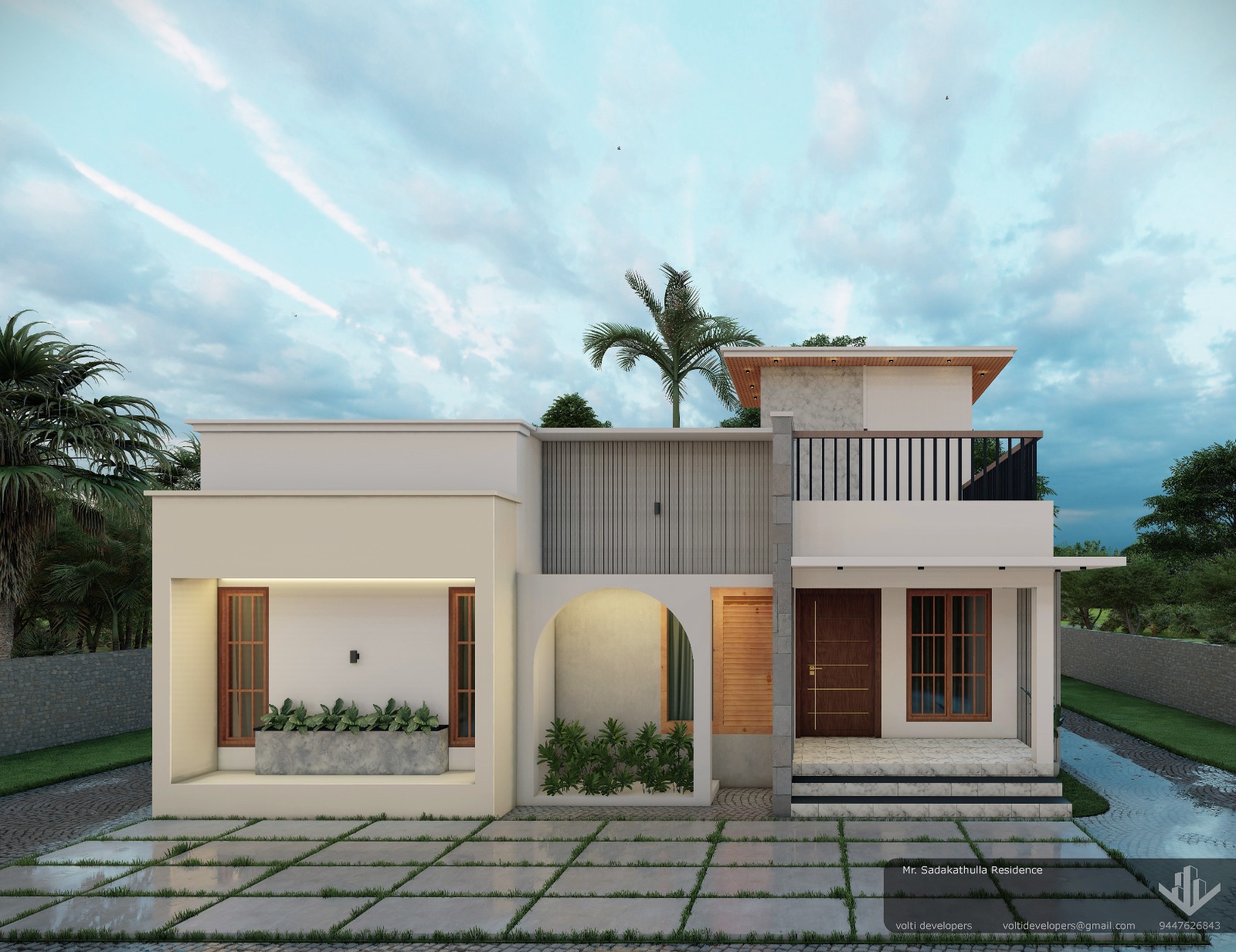
The house "Mr. Sadakathulla Residence" by Volti Developers, showcases a blend of modern and contemporary architectural features.

Features

  • Modern Aesthetics: The design leans towards modern aesthetics with clean lines and a generally minimalist approach, emphasizing functionality and uncluttered spaces
  • Flat Roof Design: The house features a flat roof, a prevalent characteristic of modern Kerala house designs, contrasting with the traditional sloping roofs found in the region.
  • Geometric Shapes and Lines: There's a clear emphasis on geometric shapes and strong horizontal and vertical lines in the structure, evident in the facade and window placements.
  • Integration of Natural Elements: While modern, the design incorporates natural materials and greenery, seen in the planters on the ground floor and the open-air balcony.
  • Prominent Entrance: The entrance area is defined by an arched doorway and steps.
  • Emphasis on Light and Airflow: The design likely prioritizes natural light and ventilation, typical of modern Indian homes, through elements like large windows and open layouts, although the interior layout isn't visible in this image.
  • Material Palette: The exterior appears to utilize a neutral color palette with hints of warmer tones from wood or similar materials, creating a sophisticated and welcoming feel.

Masjid Al-Hikmah

Location: Moodaal

Area: 3700 sqft

Floors: 2

Architectural Overview

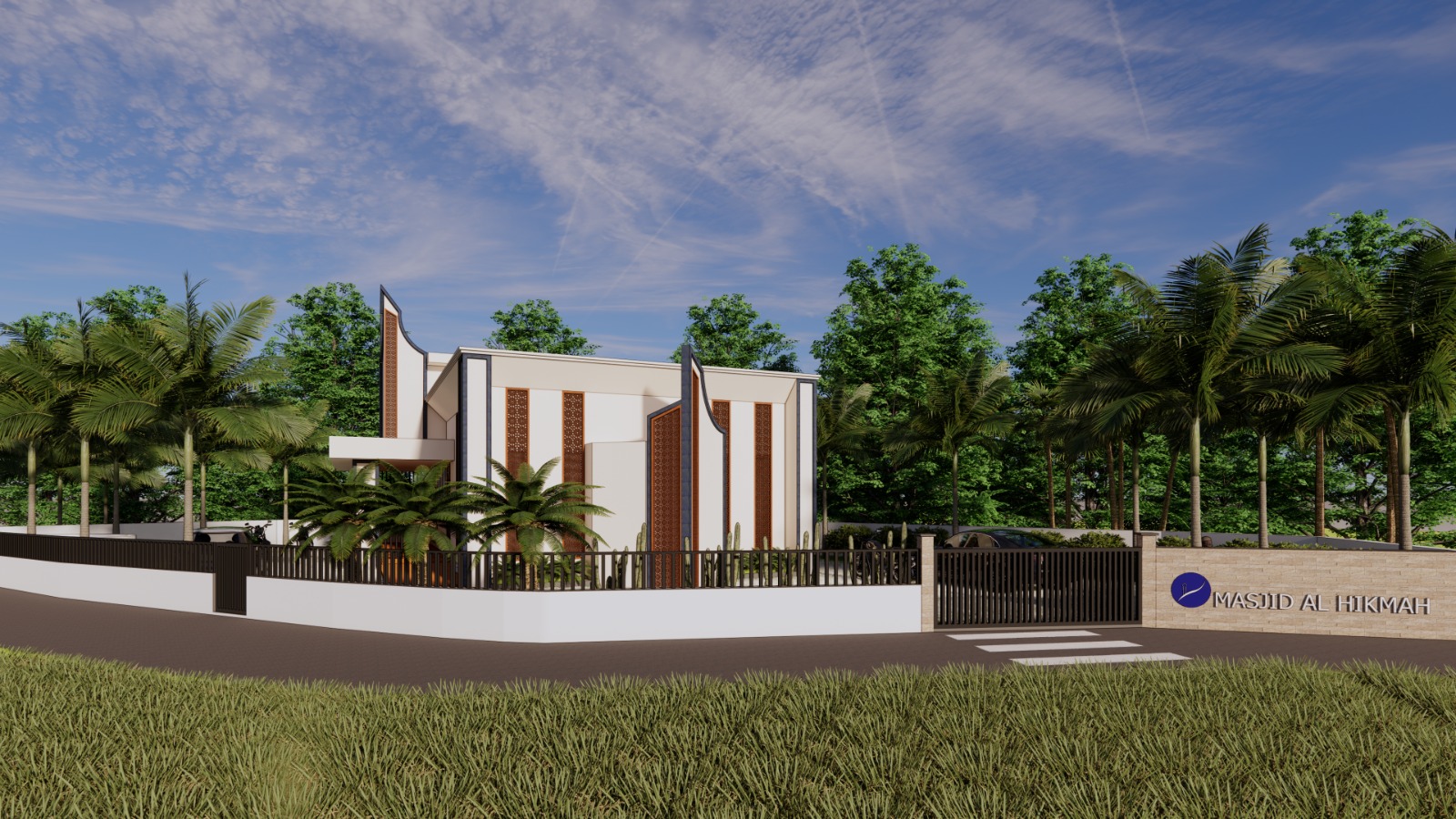
The mosque Masjid Al-Hikmah, showcases a contemporary architectural style with several notable features

Features

  • Modern Minarets: The building incorporates two prominent, slender, fin-like structures on either side of the main entrance, serving as modern interpretations of traditional minarets, which are often used for the call to prayer.
  • Geometric Facade Design: The facade exhibits a clean, rectilinear aesthetic with vertical elements and abstract geometric patterns, reflecting a minimalist approach to Islamic architectural motifs.
  • Clean, White Exterior: The dominant white color scheme of the exterior contributes to a sense of serenity and modernity, standing in contrast to more traditionally ornate mosque designs.
  • Integration with Landscape: The surrounding greenery and well-maintained grounds suggest an emphasis on integrating the structure harmoniously with its natural environment, a common theme in contemporary architecture.
  • Emphasis on Form and Simplicity: The mosque's design prioritizes clean lines and uncluttered forms over elaborate ornamentation, aiming for a tranquil and reflective atmosphere.

Madeena Masjid

Location: Makkarapparamb

Area: 3098 sqft

Floors: 2

Architectural Overview

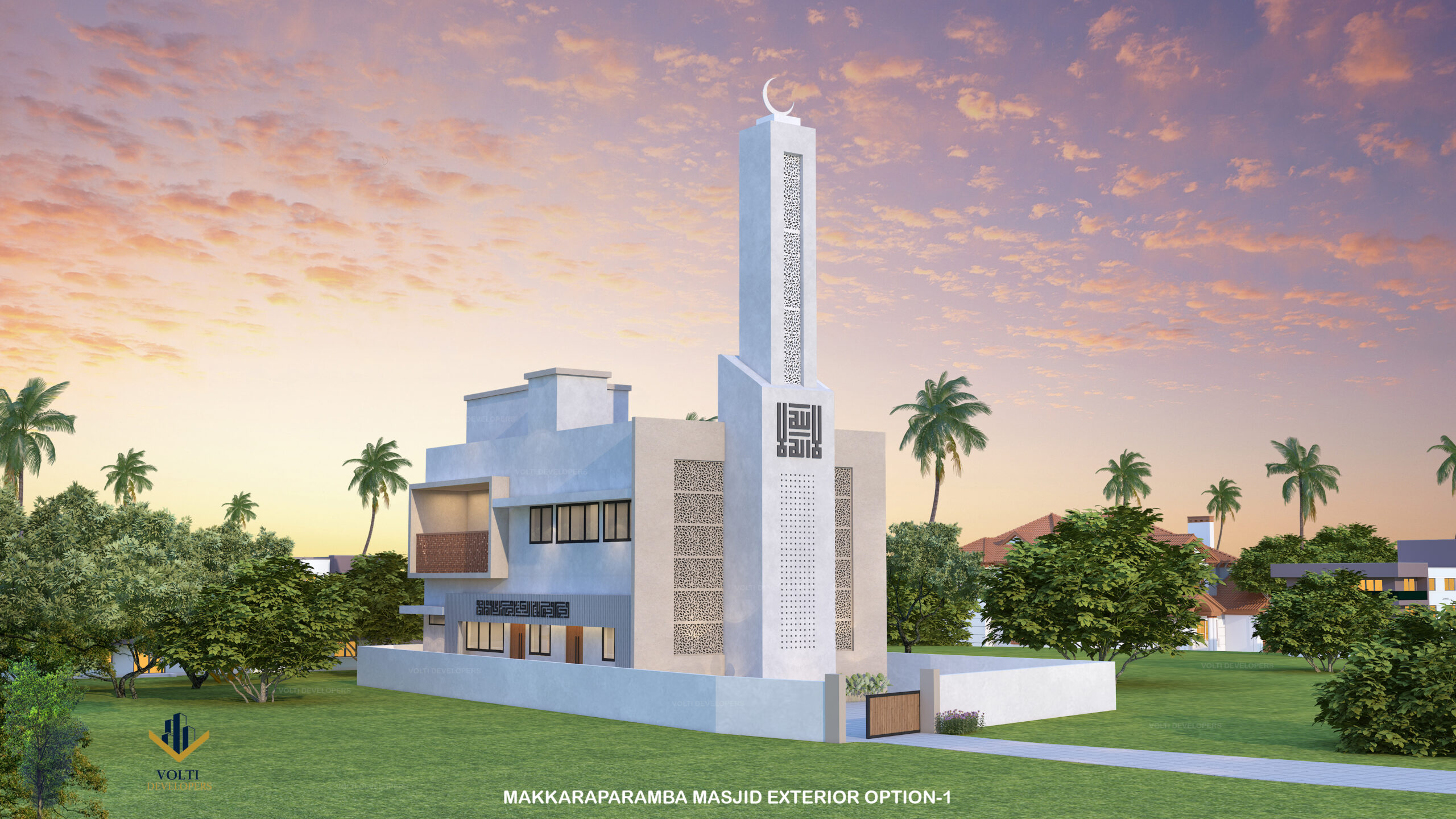
The Madeena Masjid Makkaraparamba, showcases a blend of modern and traditional Islamic architectural elements.

Features

  • Modern Form and Minimalism: The mosque exhibits clean lines, a largely unadorned facade, and simplified geometric shapes, aligning with contemporary architectural trends.
  • Minaret: A prominent, tall minaret is present, serving its traditional role for the call to prayer (Adhan) and as a visual symbol, though its design incorporates modern elements like integrated patterns and a minimalist crescent moon finial.
  • Facade Details: The main prayer hall features intricate perforated panels or screens, potentially inspired by traditional Islamic geometric patterns, which also serve to control light and ventilation.
  • Contrasting Sections: The building appears to have distinct sections with varying materials or textures, creating visual interest. One section shows a textured or patterned surface, while another is smooth and light-colored.
  • Integration with Surroundings: The design suggests an effort to harmonise with the natural environment, with green landscaping and palm trees surrounding the structure.
  • Focus on Light: While not explicitly seen in the exterior, the style often emphasizes natural light, potentially through strategically placed openings or skylights, to create a serene prayer environment, as mentioned in similar modern mosque designs.

Masjid Hikma

Location: Edakkara

Area: 1708 sqft

Floors: 1

Architectural Overview

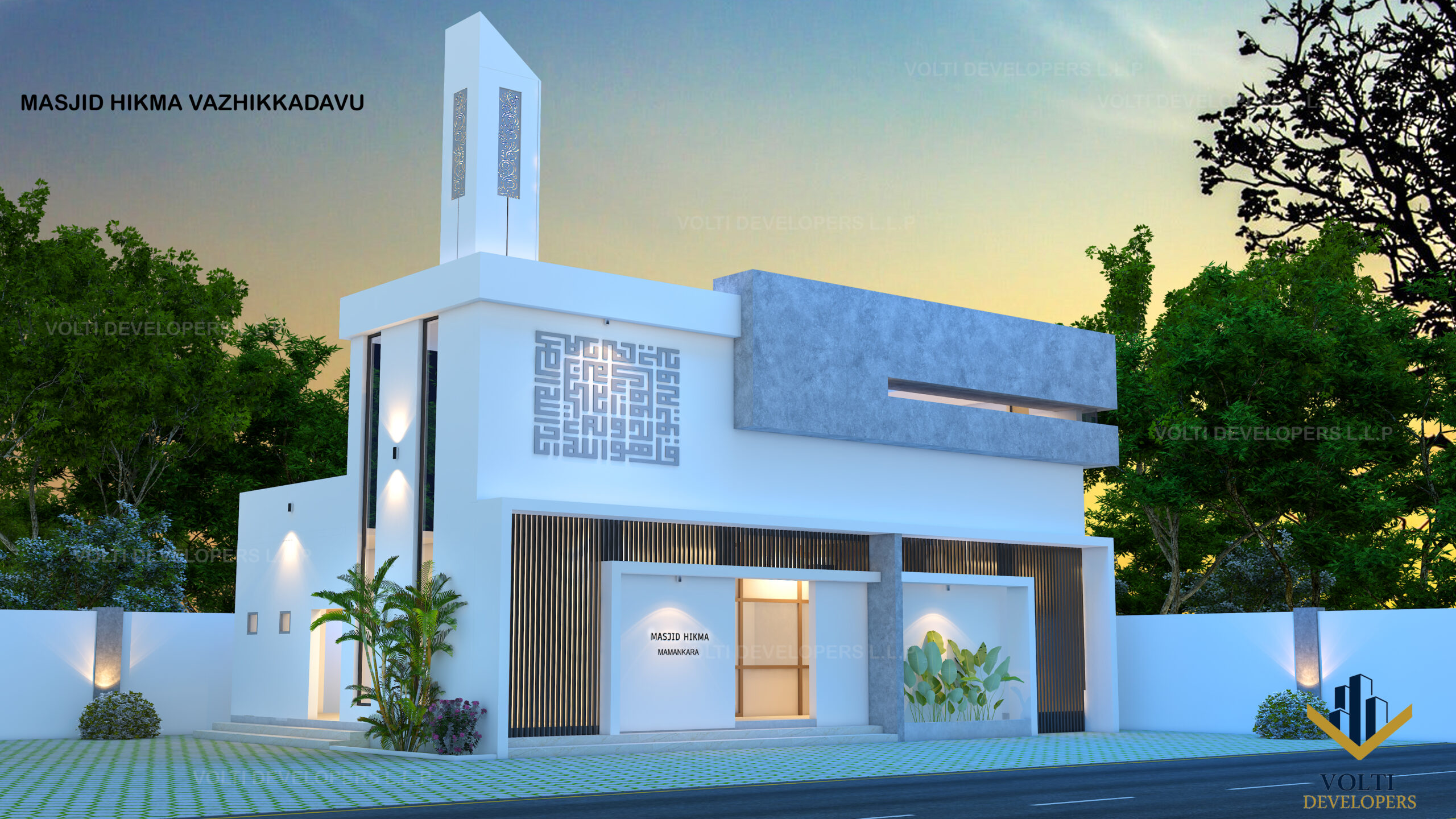
The Masjid Hikma Vazhikkadavu showcases a blend of modern and traditional Islamic architectural features, characteristic of contemporary mosque design.

Features

  • Modern Aesthetic with Geometric Forms: The mosque features clean lines and a contemporary flat roof design with robust geometric masses, including cuboid structures and well-balanced proportions.
  • Distinctive Minaret: A prominent feature is the modern, stylized minaret, which appears to be integrated into the main structure, possibly designed with unique elements like a chamfered top or voids for light and ventilation, departing from conventional designs.
  • Minimalist Detailing and Materials: While maintaining a modern look, the mosque also incorporates minimalist detailing and potentially utilizes local materials or blends traditional architectural elements in a contemporary way, reflecting a focus on simplicity and functionality.
  • Emphasis on Natural Light and Serenity: The design likely emphasizes the use of natural light, and the overall aesthetic aims to create a tranquil and spiritually conducive environment for worship, potentially using light colors and open spaces.
  • Integration of Islamic Symbolism: Despite its modern form, the mosque incorporates essential Islamic architectural elements such as the mihrab and spaces for ablution, albeit reinterpreted to fit the contemporary design.

Mr. Farook Residence

Location: Kolathur

Area:

Floors: 2

Architectural Overview

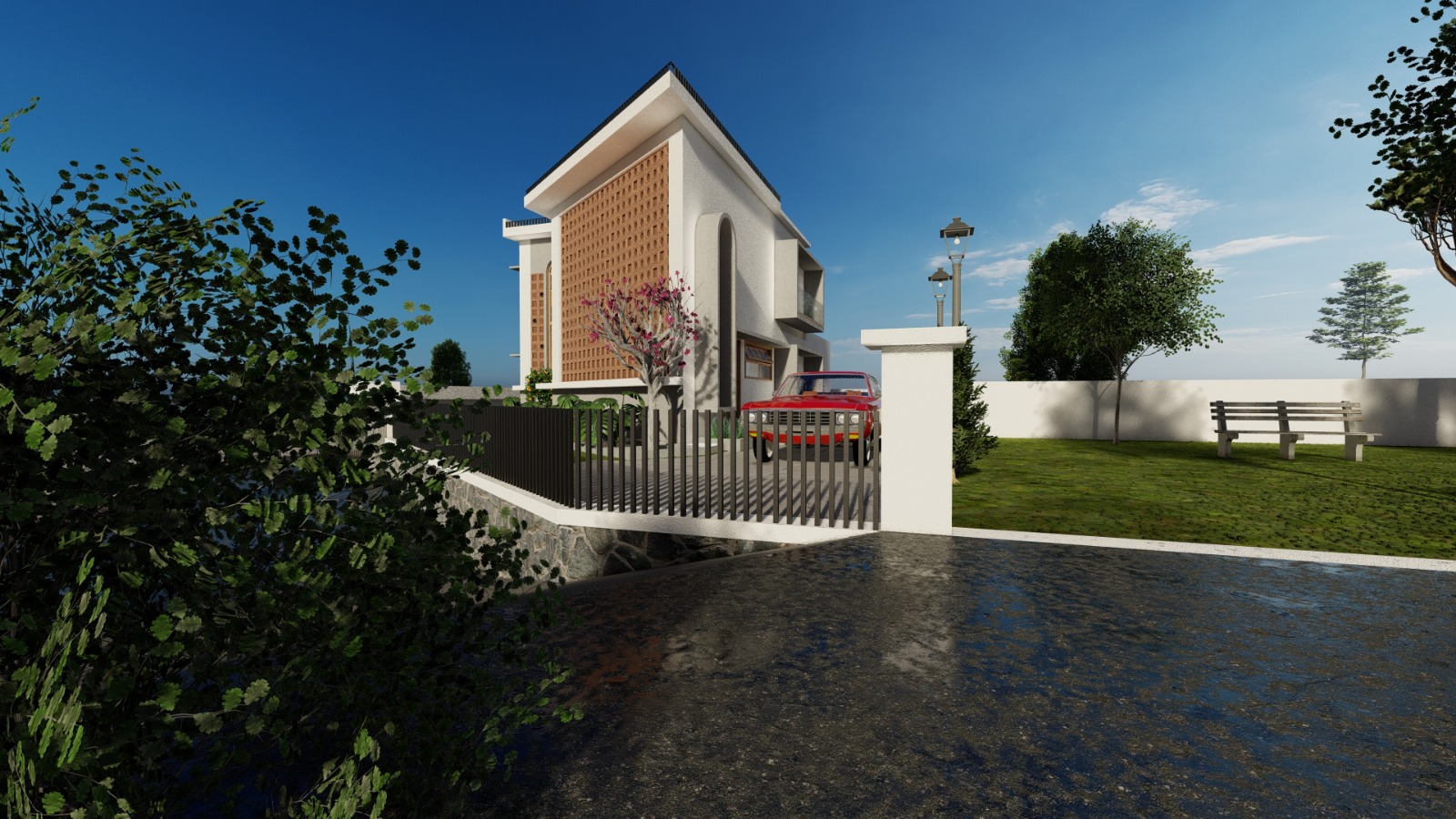
The house in the image showcases several prominent architectural features, suggesting a blend of modern and potentially tropical modern design influences.

Features

  • Clean Lines and Geometric Forms: The house exhibits a minimalist aesthetic with clean, sharp lines and clear geometric shapes, particularly visible in its overall structure and roofline.
  • Large Openings and Natural Light: The design likely incorporates large windows or openings, promoting ample natural light and a connection with the outdoors, a key feature of both modern and tropical modern architecture.
  • Textured Facade/Screening: The facade features a distinct textured element, possibly a decorative screen or paneling, adding visual interest and potentially providing privacy or shading, a common strategy in tropical modernism.
  • Simple Material Palette: The exterior appears to utilize a restrained material palette, focusing on the inherent qualities of the chosen materials rather than excessive ornamentation, aligning with minimalist principles.
  • Integration with Landscape: The presence of surrounding greenery and the overall setting suggest an intention to integrate the house with its natural environment, a hallmark of tropical modern design, where outdoor and indoor spaces are often seamlessly connected.
  • Privacy Features: Elements like the fence and potentially the patterned facade suggest a consideration for privacy, especially given the density of some modern residential areas.

Al-Hikma Mosque

Location: Vilathur

Area:

Floors: 2

Architectural Overview

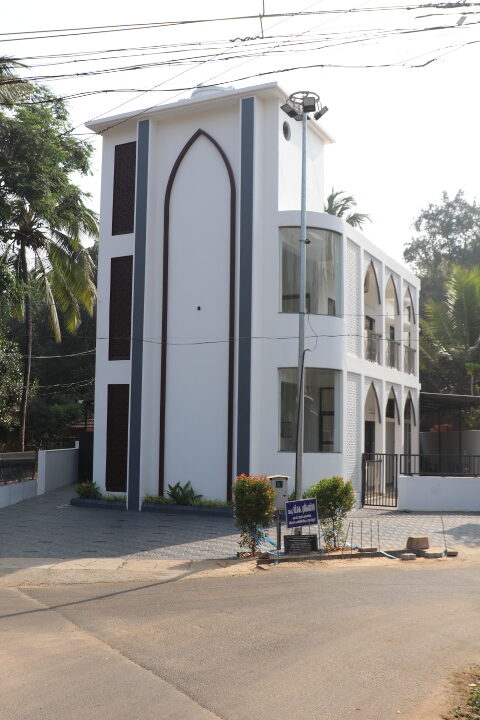
The mosque displays a blend of modern and traditional Islamic architectural elements.

Features

  • Minaret-like Structure: A prominent, slender tower rises on one side of the mosque, fulfilling the function of a minaret, used for the call to prayer (adhan) and serving as an identifiable landmark.
  • Arches: The building features distinctive arched windows and doorways, notably a large pointed arch on the main façade.
  • Emphasis on Verticality and Light: The tall structure and large windows, particularly the curved, multi-paneled windows on the right side, suggest a design that incorporates natural light and creates a sense of openness within the prayer space, a key aspect in Islamic architecture.
  • White Facade with Dark Accents: The predominantly white exterior gives a clean, modern aesthetic, contrasted by dark-colored vertical panels and window frames, adding visual interest and definition to the structure.
  • Minimalist Design with Modern Interpretations: While drawing on traditional elements like arches, the overall design appears simplified and streamlined, a characteristic of modern Islamic architecture which reinterprets conventional forms for contemporary contexts.

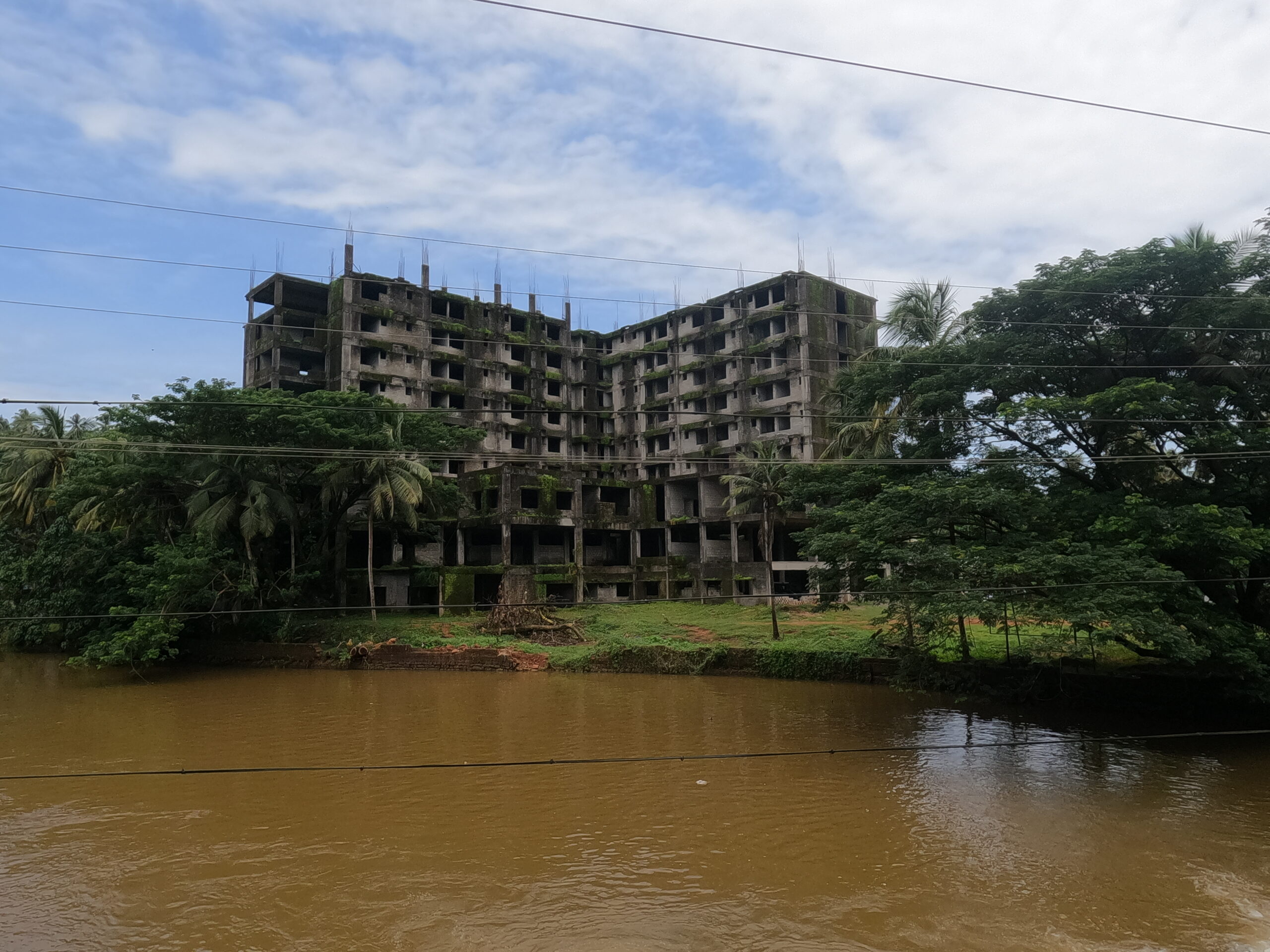
Daya Hospital – Repair & Rehabilitation

Location: Ramanattukara

Area: 190520 sqft

Floors: 9

Architectural Overview

The architectural and civil engineering scope for renovating a non-approved building into a hospital is extensive and complex, particularly due to the "non-approved" status, which implies significant regulatory and structural challenges.

Features

  • Regulatory Compliance: Obtaining necessary permits and approvals from local authorities, including zoning, building codes, and healthcare facility regulations. This will likely involve significant design revisions to meet current standards.
  • Space Planning and Functional Design: Redesigning the interior layout to accommodate hospital functions (e.g., patient rooms, operating theaters, ICUs, diagnostic areas, administrative offices, waiting areas). This includes optimizing flow for patients, staff, and medical supplies.
  • Infection Control: Incorporating materials and design features that facilitate infection control, such as appropriate finishes, ventilation systems, and waste management areas.
  • Accessibility: Ensuring compliance with accessibility standards for patients and staff with disabilities.
  • Fire Safety: Designing and implementing robust fire safety systems, including egress routes, fire suppression, and alarm systems, as per hospital regulations
  • Aesthetics and Patient Environment: Creating a healing environment through appropriate lighting, color schemes, and material selections.
  • Structural Assessment and Reinforcement: A thorough structural analysis of the existing building to determine its integrity and capacity to support new loads (e.g., medical equipment, increased occupancy). Significant structural reinforcement or modifications may be required.
  • Foundation Analysis: Assessing the existing foundation and potentially reinforcing it, especially if the building's usage changes significantly or additional loads are introduced.
  • Infrastructure Upgrades: Designing and implementing upgrades to water supply, sewage, drainage, and electrical systems to meet the high demands of a hospital facility. This includes ensuring reliable power supply and waste disposal.
  • Site Development: Addressing external infrastructure, including access roads, parking, landscaping, and emergency vehicle access.
  • Environmental Considerations: Managing potential environmental impacts during construction and ensuring compliance with environmental regulations.
  • Hazardous Materials Abatement: If the existing building contains hazardous materials (e.g., asbestos, lead paint), the civil engineering scope would include their safe removal and disposal.

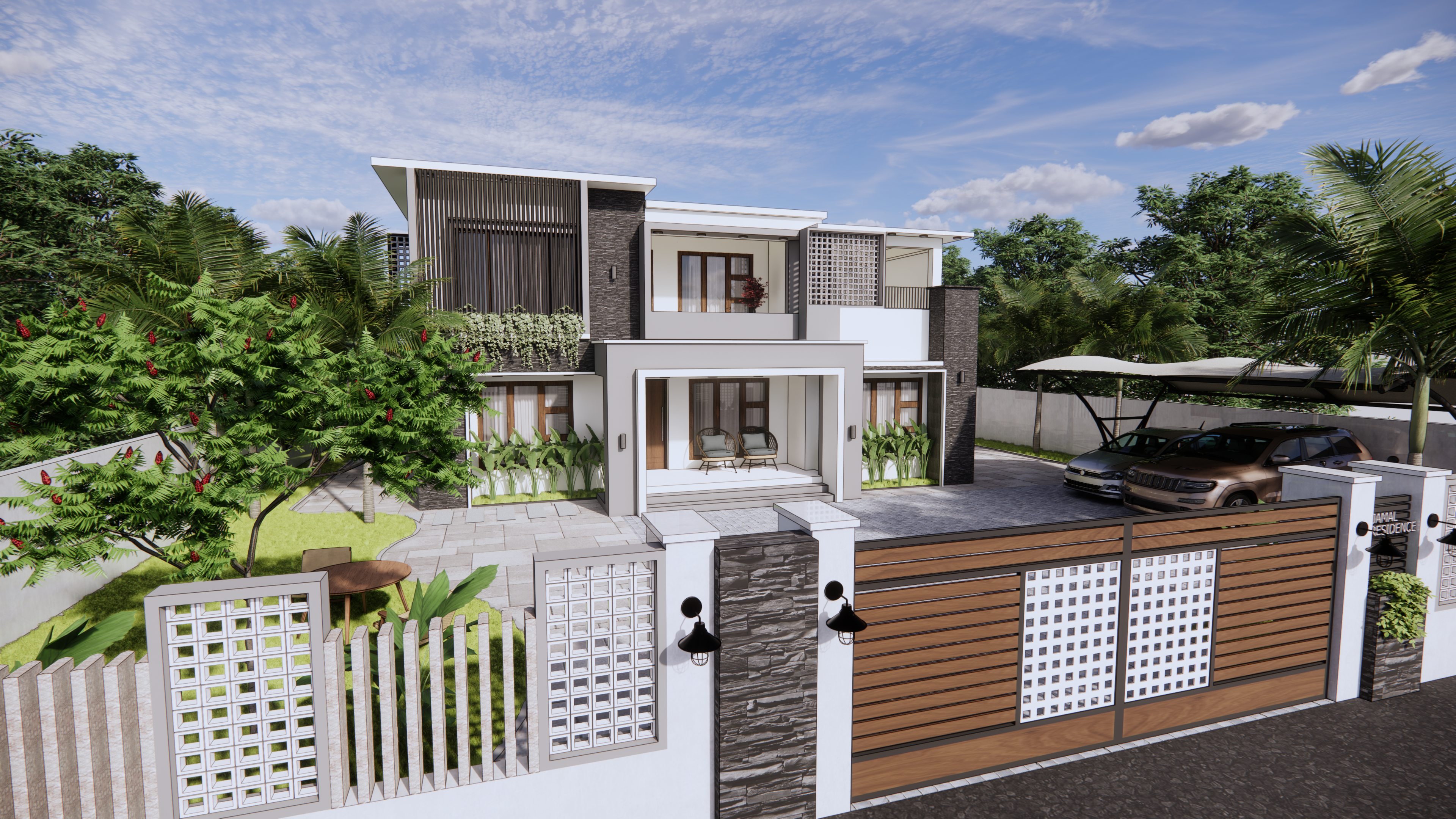
Mr. Jamal – Residence

Location:

Area:

Floors:

Architectural Overview

The overall form of the house utilizes a box-style massing with clean, defined lines, contributing to a minimalist and modern aesthetic.

Features

  • Flat Roofs and Overhangs: The design incorporates flat roofs and prominent overhangs, which can provide shade and contribute to the house's contemporary look.
  • Mixed Materials and Textures: : The exterior features a combination of materials, including stone cladding on pillars and walls, contrasting with smooth, light-colored surfaces and wooden finished elements in the gate, adding visual depth and texture.
  • Minimalist Elevation: The elevation appears minimalist, focusing on form and the interplay of materials rather than excessive ornamentation.
  • Integrated Landscaping: The design incorporates landscaping elements like trees and a well-maintained lawn, suggesting an integration of the built structure with its natural surroundings.

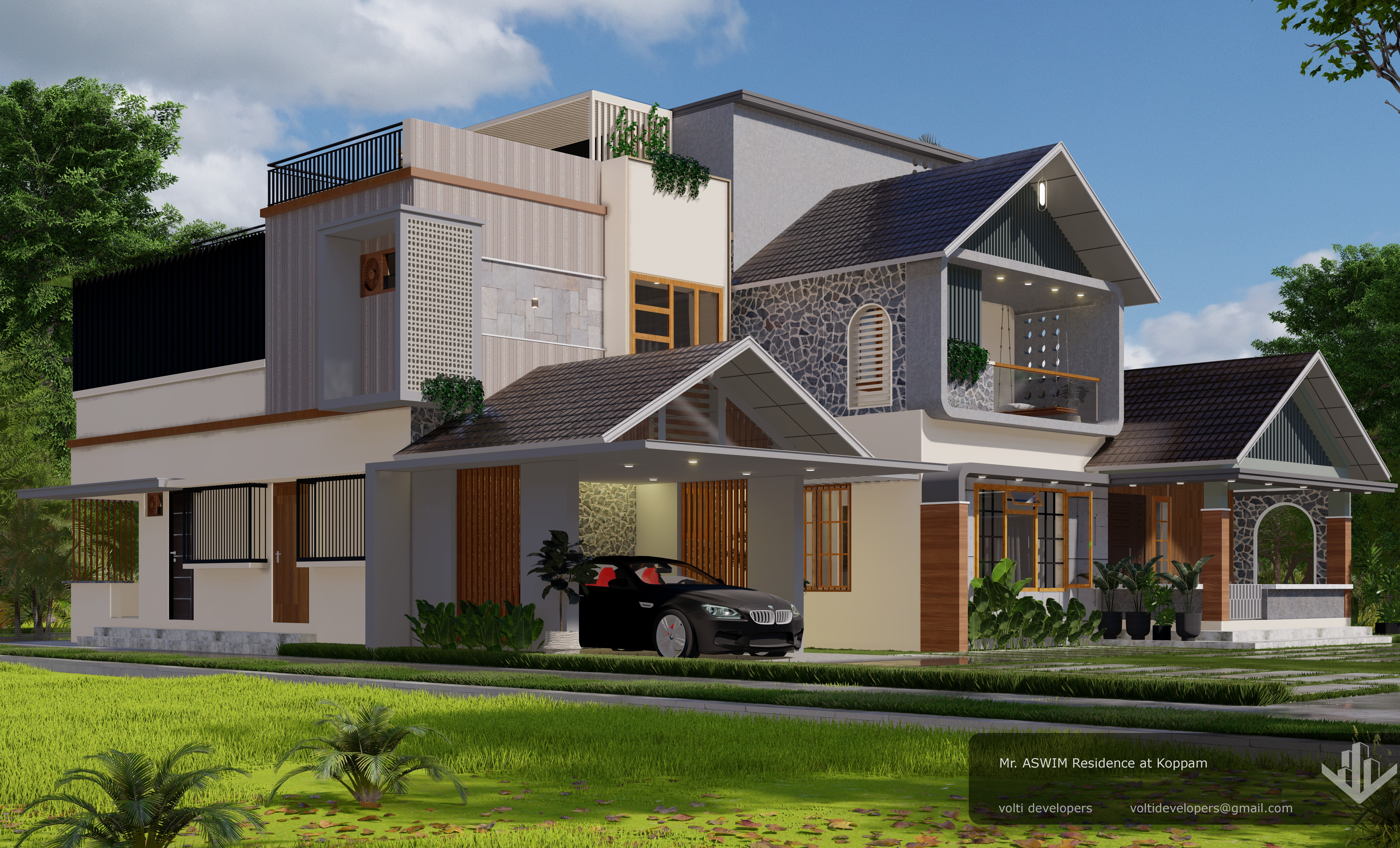
Mr. Aswim – Residence

Location: Koppam

Area: 3696 sqft

Floors: 2

Architectural Overview

The Mr. ASWIM Residence at Koppam showcases a blend of modern and traditional architectural features, creating a distinctive aesthetic

Features

  • Mixed Roof Design: The residence incorporates a striking combination of sloped roofs, reminiscent of traditional Kerala architecture, alongside flat roof sections, adding a contemporary touch.
  • Stone Cladding: A prominent feature is the use of stone cladding on portions of the exterior, particularly around the gabled sections and balconies, providing texture and a natural, rustic appeal
  • Balconies and Terraces: The design includes balcony and an upper-level terrace, offering outdoor living spaces and potentially views of the surroundings
  • Wooden Accents: Wooden finished elements are integrated into the facade, including vertical slats and window frames, contributing warmth and a traditional feel.
  • Large Windows and Openings: The house features numerous windows and openings, suggesting an emphasis on natural light and ventilation, a common characteristic in tropical contemporary designs.
  • Landscaped Surroundings: The residence is complemented by well-maintained lawns and strategically placed plants, enhancing its visual appeal and integrating it with the natural environment.

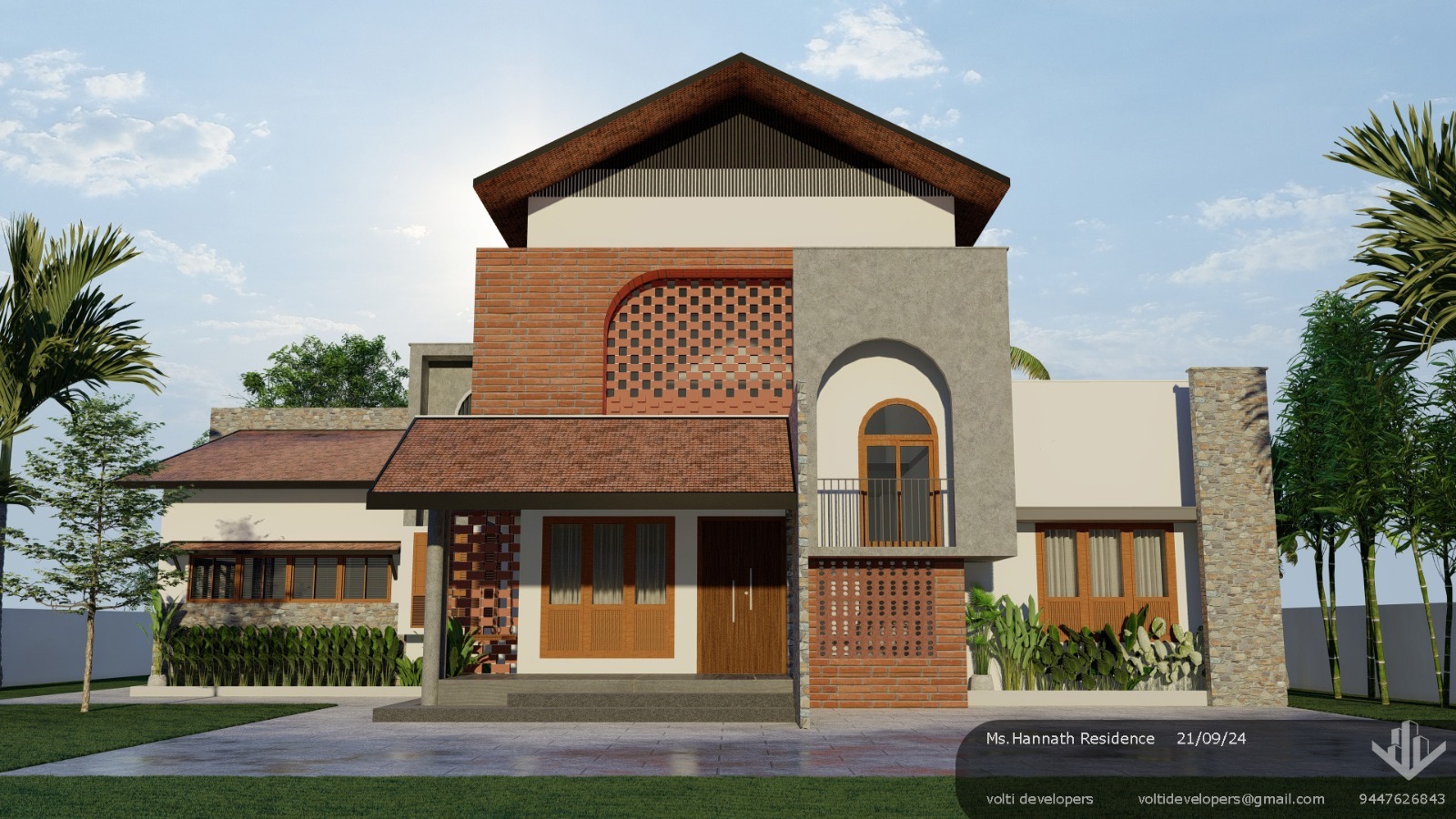
Ms. Hannath & Mr. Anees Valiya Peediyekkal – Residence

Location: Puzhakkattiri

Area: 2200 sqft

Floors: 2

Architectural Overview

The Residence exhibits several architectural features, blending traditional and contemporary elements.

Features

  • Sloping Roofs: The house features prominent sloping roofs, a common characteristic in Kerala architecture, designed for efficient rainwater runoff in the region's tropical climate.
  • Terracotta Elements: Terracotta tiles are used on the main entrance's sloping roof, and terracotta breeze blocks are incorporated into the facade, adding a traditional aesthetic and potentially aiding ventilation
  • Mixed Materials and Textures: The exterior combines various materials such as painted concrete, exposed brick, and possibly stone cladding, creating a visually dynamic facade with contrasting textures.
  • Arched and Rectangular Openings: The design incorporates both arched windows and balconies, as well as more conventional rectangular window and door openings, adding variety to the architectural expression.
  • Integration with Landscape: The presence of surrounding greenery and landscaping suggests an emphasis on connecting the built environment with nature, a principle often found in tropical architecture.

Mr. Nisar – Commercial Cum Residence

Location: Vengad

Area: 4672 sqft

Floors: 2

Architectural Overview

The structure utilizes distinct geometric shapes and emphasizes clean, straight lines, characteristic of modern and contemporary design.

Features

  • Multi-level Design: The building is designed with multiple stories and varying levels, creating a dynamic and visually interesting facade
  • Material and Color Blending: The facade incorporates a mix of materials and colors, including light-colored walls, dark accents, and wooden elements, contributing to a layered and textured appearance.
  • Balconies and Projections: The presence of balconies and projecting sections adds depth and dimension to the building's exterior.
  • Flat Roof Elements: The building features flat roof sections, aligning with contemporary architectural trends.

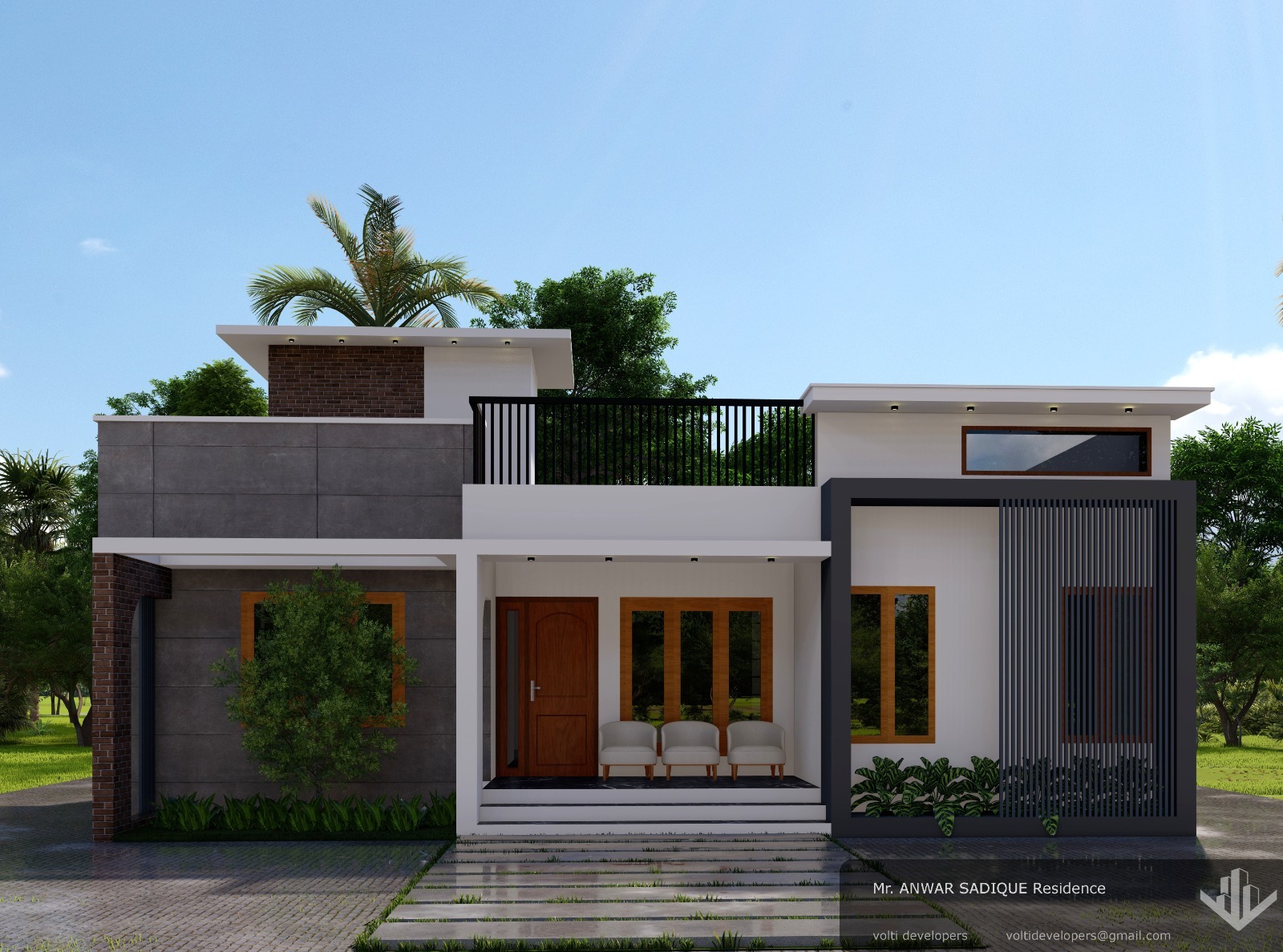
Mr. Anwer Sadique – Residence

Location: Kolathur

Area: 1425 sqft

Floors: 1

Architectural Overview

The house prominently features flat roofs, a characteristic element of modern box-type house designs, common in contemporary architecture.

Features

  • Combination of Materials: The exterior incorporates a blend of materials, including white and grey plastered walls, brick accents, and dark metal railings, adding visual interest and texture to the facade.
  • Large Windows: Multiple large windows are visible, designed to maximize natural light and potentially offer ample views, aligning with modern architectural principles of openness and light.
  • Terrace: A prominent terrace area with a black railing is incorporated into the design, providing outdoor living space and adding a functional and aesthetic dimension.
  • Lattice Feature: A dark, vertical lattice element is integrated into the front facade, potentially serving as a privacy screen, sunshade and decorative element.
  • Integrated Landscaping: Integrated Landscaping: The design incorporates elements of landscaping, such as small trees and planted areas at the entrance, to enhance the visual appeal and integrate the structure with its surroundings

The design emphasizes clean lines and a simple, uncluttered appearance, suggesting a minimalist approach to the overall aesthetic.

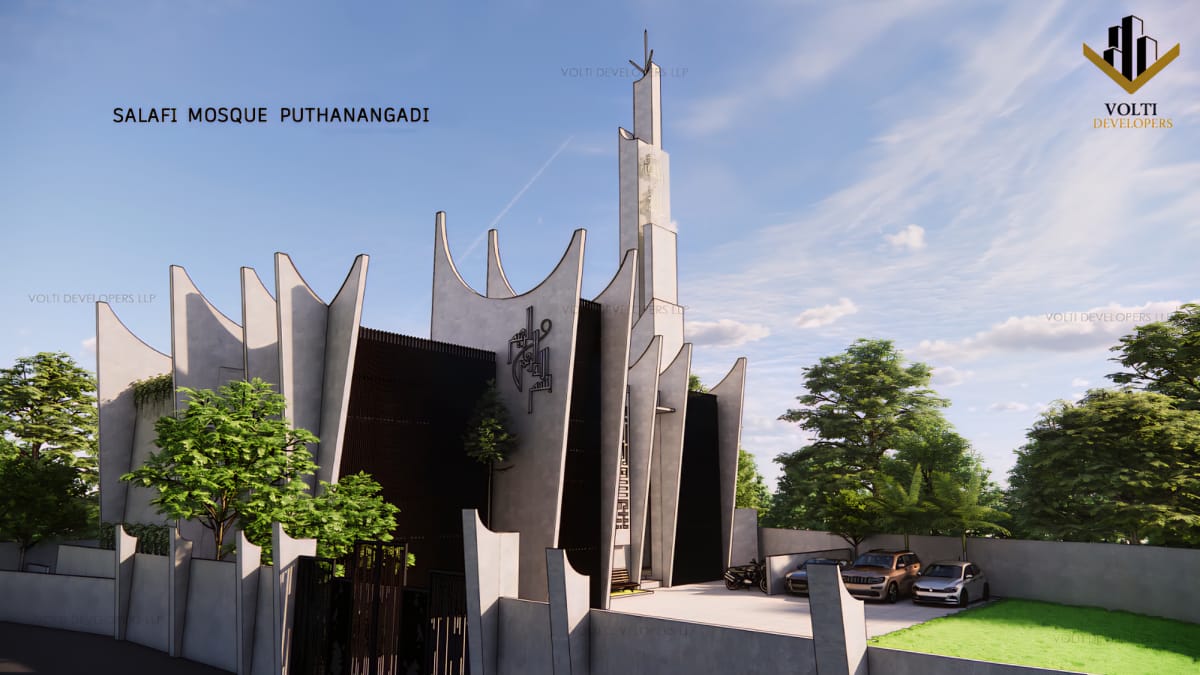
Salafi Mosque

Location: Puthanangadi

Area: 5400 sqft

Floors: 2

Architectural Overview

The Salafi Mosque in Puthanangadi exhibits a contemporary and striking aesthetic, moving away from traditional mosque architectures.

Features

  • Modern and Abstract Forms: Large, curved, and angular concrete fins or panels rise upwards, creating a dynamic and sculptural facade. These elements are both structural and decorative, offering a modern interpretation of mosque architecture.
  • Monochromatic Palette with Textural Contrast:: Light-colored concrete provides a monolithic and austere appearance, contrasted with darker vertical slatted sections that add texture and depth.
  • Unique Minaret Design: The minimalist minaret, slender and vertical, features light-colored materials and possibly abstract calligraphic patterns near its top, standing as a modern reinterpretation.
  • Integrated Calligraphy: The facade includes large, abstract designs—likely stylized Arabic scripts—blending cultural and religious elements with modern architecture.
  • Emphasis on Verticality: Towering fins, slatted sections, and the minaret all emphasize vertical lines, drawing the eye upward and enhancing the building's spiritual symbolism.
  • Minimalist Landscaping: Neat green spaces and scattered trees complement the clean architectural lines without distraction, contributing to the building’s serene setting.

Overall, the design of the Salafi Mosque in Puthanangadi stands as a bold statement in modern Islamic architecture, seamlessly blending contemporary aesthetics with subtle religious symbolism.