

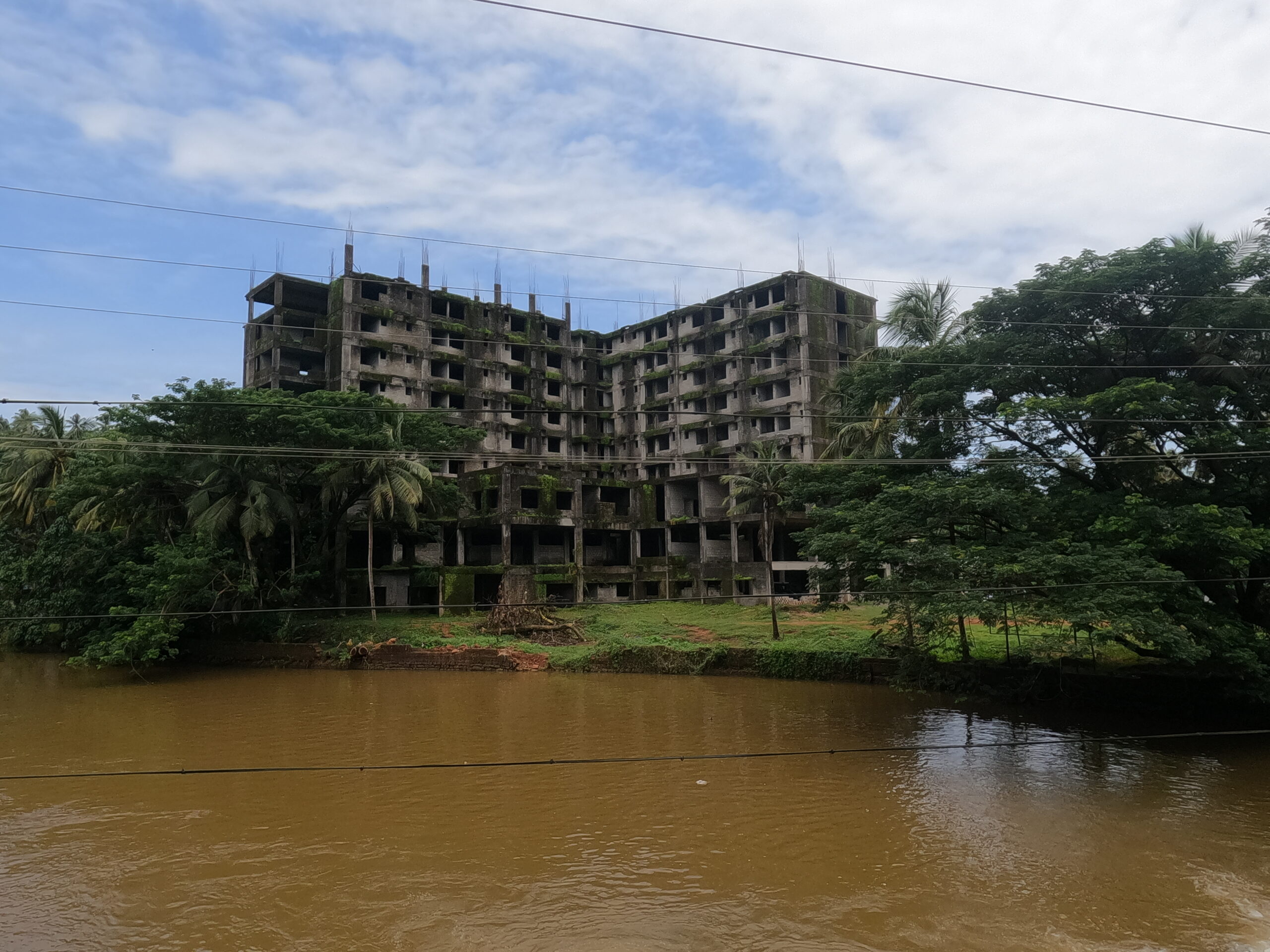
Daya Hospital – Repair & Rehabilitation
Location: Ramanattukara
Area: 190520 sqft
Floors: 9
Architectural Overview
The architectural and civil engineering scope for renovating a non-approved building into a hospital is extensive and complex, particularly due to the "non-approved" status, which implies significant regulatory and structural challenges.
Features
- Regulatory Compliance: Obtaining necessary permits and approvals from local authorities, including zoning, building codes, and healthcare facility regulations. This will likely involve significant design revisions to meet current standards.
- Space Planning and Functional Design: Redesigning the interior layout to accommodate hospital functions (e.g., patient rooms, operating theaters, ICUs, diagnostic areas, administrative offices, waiting areas). This includes optimizing flow for patients, staff, and medical supplies.
- Infection Control: Incorporating materials and design features that facilitate infection control, such as appropriate finishes, ventilation systems, and waste management areas.
- Accessibility: Ensuring compliance with accessibility standards for patients and staff with disabilities.
- Fire Safety: Designing and implementing robust fire safety systems, including egress routes, fire suppression, and alarm systems, as per hospital regulations
- Aesthetics and Patient Environment: Creating a healing environment through appropriate lighting, color schemes, and material selections.
- Structural Assessment and Reinforcement: A thorough structural analysis of the existing building to determine its integrity and capacity to support new loads (e.g., medical equipment, increased occupancy). Significant structural reinforcement or modifications may be required.
- Foundation Analysis: Assessing the existing foundation and potentially reinforcing it, especially if the building's usage changes significantly or additional loads are introduced.
- Infrastructure Upgrades: Designing and implementing upgrades to water supply, sewage, drainage, and electrical systems to meet the high demands of a hospital facility. This includes ensuring reliable power supply and waste disposal.
- Site Development: Addressing external infrastructure, including access roads, parking, landscaping, and emergency vehicle access.
- Environmental Considerations: Managing potential environmental impacts during construction and ensuring compliance with environmental regulations.
- Hazardous Materials Abatement: If the existing building contains hazardous materials (e.g., asbestos, lead paint), the civil engineering scope would include their safe removal and disposal.